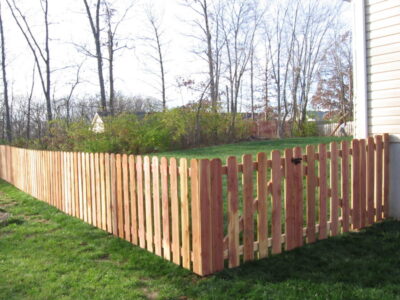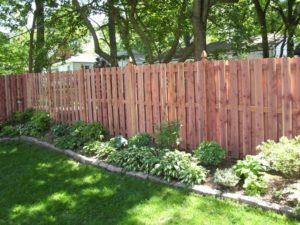
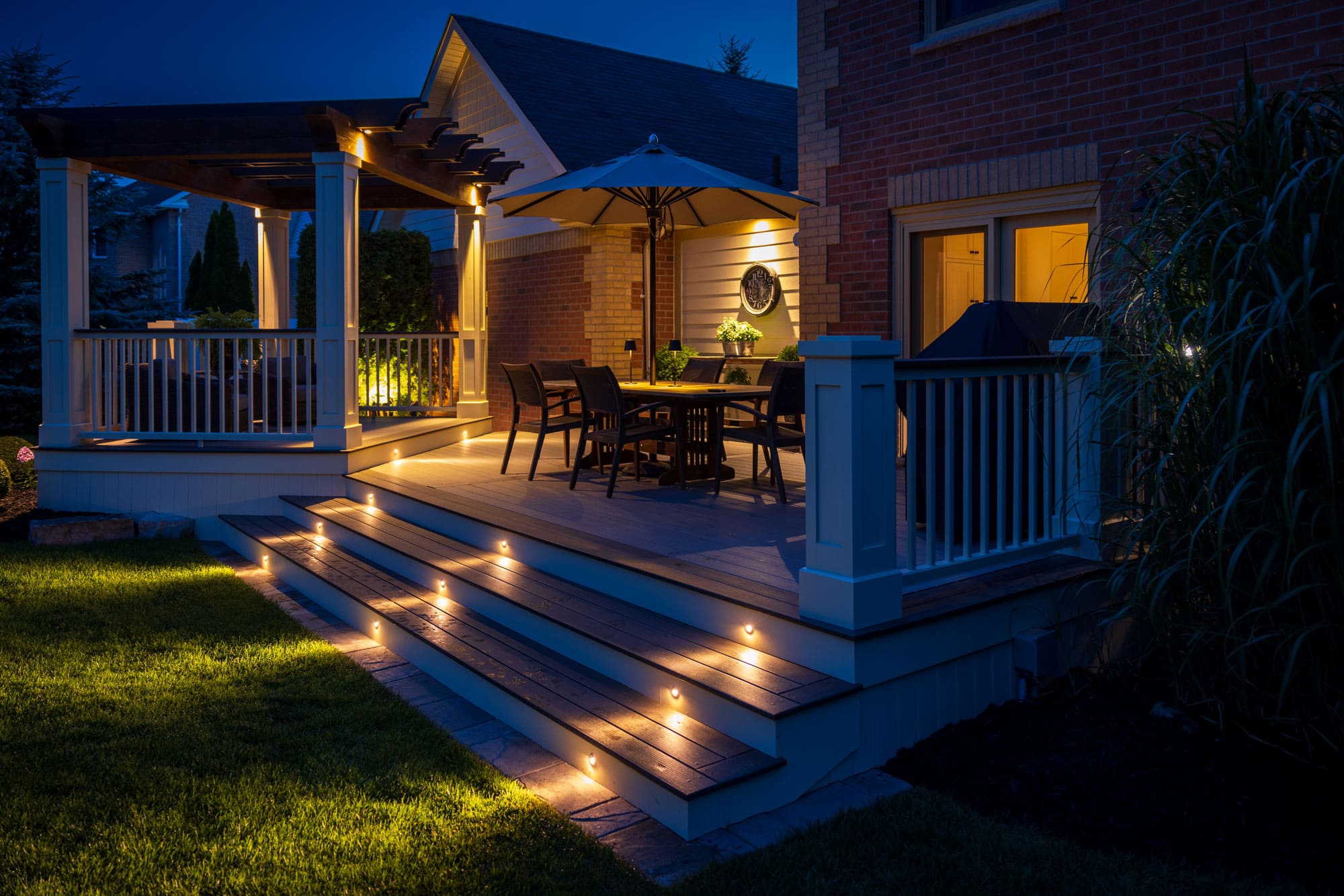
When you have pets and children, your backyard isn’t just open space. It’s where your dog runs full speed without thinking. It’s where your toddler tests independence.
Your fence isn’t decorative. It’s a safety boundary.
And the safest fence isn’t the one that looks good from the street, it’s the one designed around real behavior.
Let’s break this down properly.
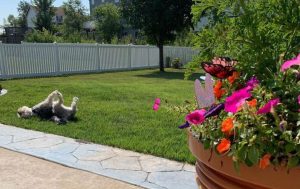
Every yard has different risk factors. A calm indoor dog is different from a high-energy breed. A flat yard behaves differently from a sloped one. A quiet street is not the same as a busy road.
Ask yourself:
When you identify how an escape could happen, then your fence choice becomes strategic instead of aesthetic.
Many homeowners underestimate how high a dog can jump when motivated.
As a general rule:
For children, height reduces the temptation and ability to climb, but design matters too. If you’re unsure what height works for your yard’s grading and layout, a fence installation service in St. Louis can evaluate those slope changes and recommend the right configuration of your fence type.
A fence can fail in small details. From a distance, everything may look secure, but when you have a closer look every spacing tells the real story.
Look for:
And your furry friend doesn’t need a large opening. Even a 2–3 inch space can become their exit. If your yard isn’t level, stepped fencing or customized panel cuts may be necessary to eliminate these ground gaps.

Different materials solve different problems. Start by thinking about how your pet reacts to outside stimulation and how much maintenance you’re willing to handle.
Wood Privacy Fencing
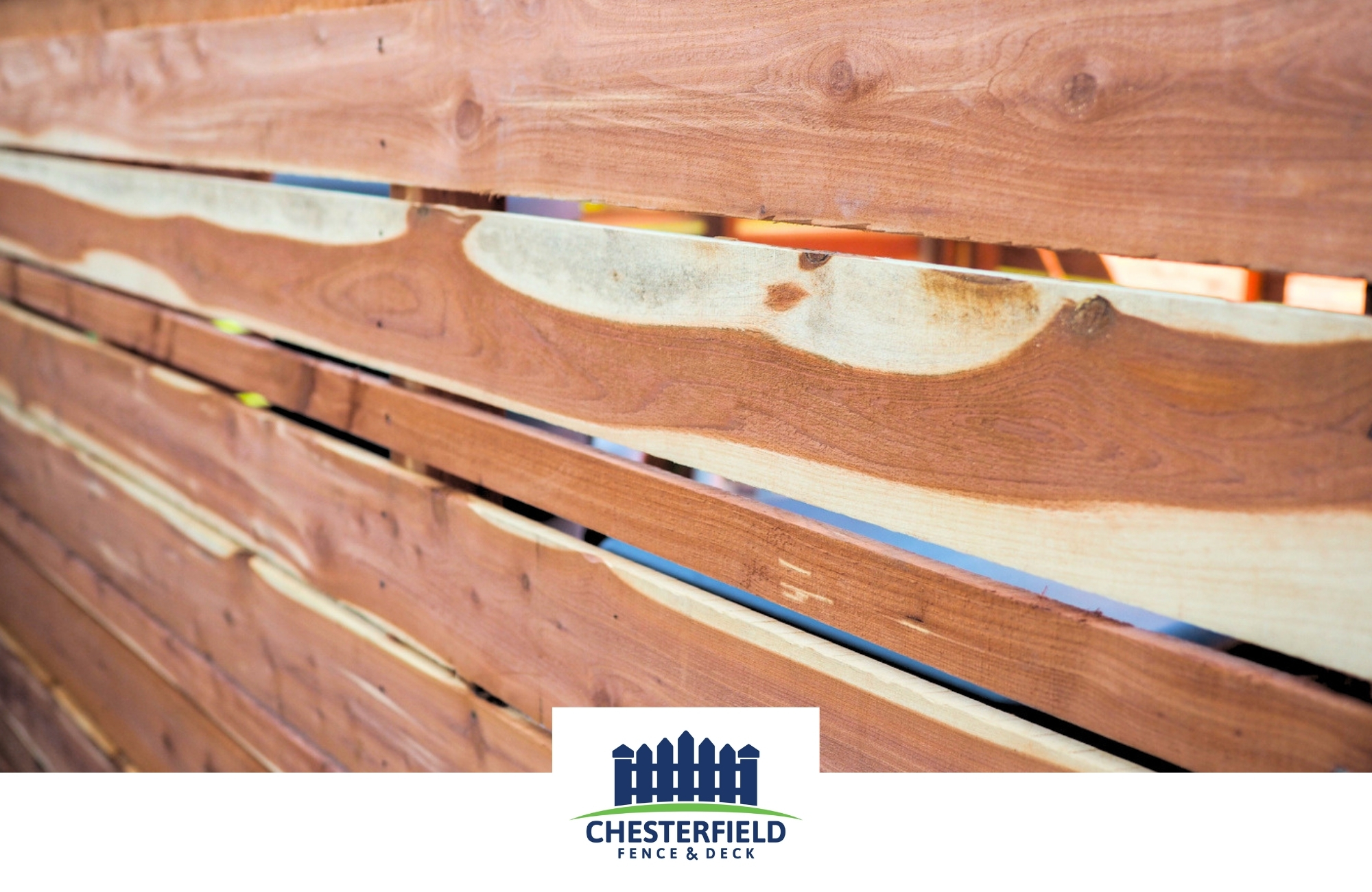
Wood blocks visual triggers and reduces distraction. It’s harder to climb and offers full enclosure.
Vinyl Fencing
Vinyl has a smooth surface, making climbing more difficult. It handles moisture well and requires minimal upkeep, though it costs more upfront.
Aluminum or Decorative Metal
Strong and durable, but spacing must be tight for small pets. Better for visibility than full containment.
Chain Link
Many medium and large dogs can scale it. But, if safety is your top priority, this may not be ideal for your yard.
In a climate like St. Louis, temperature swings and freeze-thaw cycles put structural stress on fencing systems. Soil expansion during winter and moisture exposure throughout the year can weaken posts and shift alignment. That is why choosing a material that tolerates these conditions reduces long-term structural risk.
You can build a solid perimeter and still create risk with one weak gate.
Most homeowners focus on panels, height, and materials — but the gate is the most frequently used part of the entire system. It opens and closes multiple times a day. Kids push it. Dogs jump on it. Weather affects it. Hinges loosen. Alignment shifts.
And once alignment shifts, even slightly, the gate may not latch fully.
Over time, this leads to:
If you’re serious about safety, your gate should include:
Many pet escapes don’t happen because the fence failed. They happen because the gate didn’t fully close, or because a child figured out how to open it.
If you treat the gate like an accessory, it becomes your weak point. If you treat it like a security component, it becomes your strongest control point.
Sometimes a dog doesn’t try to escape because the fence is weak; it tries because something outside is triggering.
Think about what surrounds your yard:
If your dog can see all of this, it may jump, scratch, or dig in response. In those cases, a solid privacy fence often reduces behavior issues because it removes visual triggers.
But here’s the balance: you may still want visibility for supervision.
If you watch your child from inside the house, complete privacy may reduce your line of sight. In that case, consider:
Right now, your puppy might be small. Your toddler might barely reach the latch.
But both will change quickly.
A fence that works today may not work in two years if you design it for the present moment only.
Consider how growth changes risk:
Many homeowners choose a shorter fence to reduce cost, only to realize later they underestimated their dog’s athletic ability. Upgrading height after installation is more expensive than choosing correctly from the start.
That’s why planning ahead matters. An experienced St. Louis fence installation company won’t just measure your yard. They’ll ask:
They always design for long-term safety by accounting for future behavior, not just current size.
Most fencing failures aren’t because the material broke. They happen because of planning shortcuts.
Here are the most common mistakes:
The most common miscalculations include:
The takeaway is simple: a safe fence is the result of deliberate planning — not assumption. Height, spacing, gate hardware, ground alignment, and material durability must work together to eliminate risk.
If you want that level of certainty, working with an experienced St. Louis fence installation company ensures your fence is designed for real-world use, not just appearance.
Because when safety is built into every detail, protection is not something you hope for, it is something you have.
Reach out to Chesterfield Fence & Deck by booking your design consultation to start creating a safe fence system for your home. We’re looking forward to supporting you on this journey!