Property Line and Boundary Fence Guidelines
For many homeowners, installing a fence begins with a simple goal such as adding privacy, creating a safe space for pets, or clearly defining property boundaries. However, when a fence is placed near a property line, it is important to understand property line and boundary fence guidelines in St. Louis before installation begins.
These considerations help prevent misunderstandings between neighbors and ensure the fence complies with local regulations. Taking the time to confirm boundaries and review local rules early in the planning process allows homeowners to move forward with confidence and avoid complications later.
Why Property Line Accuracy Matters When Installing a Fence
One of the most important steps when planning a boundary fence is confirming the exact location of the property line. Even when boundaries appear obvious, assumptions based on landscaping, older fencing, or nearby structures can sometimes be inaccurate.
A fence installed in the wrong location can create disputes between neighbors or require costly adjustments after installation. For this reason, many homeowners rely on property surveys or official boundary markers when determining where a fence should be placed.
Accurate measurements ensure the fence sits within the correct portion of the property and aligns with local guidelines. Establishing the proper boundary location also helps homeowners make informed decisions about fence height, placement, gates, and layout before construction begins.
Understanding Shared Boundary Considerations
Boundary fences often sit along the line separating two properties. While regulations vary by municipality, it is generally recommended that homeowners communicate with neighboring property owners before installing a fence along a shared boundary.
Open communication can help prevent confusion and allow both parties to understand the proposed fence location and design. In some cases, neighbors may choose to collaborate on the project, particularly when the fence will benefit both properties.
Even when a fence is installed entirely within one property, discussing plans in advance can help maintain positive relationships and avoid misunderstandings after installation is complete.
Local Rules That Affect Boundary Fences
Municipal regulations across Missouri often include guidelines that influence how boundary fences are installed. These rules may address height limits, placement relative to the property line, and visibility considerations near public areas.
For example, some municipalities allow fences to be installed directly along the property boundary, while others require a small setback within the property line. Additional requirements may apply when fences are located near sidewalks, streets, or intersections where visibility is important.
Homeowners may also encounter easements on their property, which allow access for utilities or drainage. Fences installed within these areas could be subject to restrictions or require adjustments during planning.
Because these guidelines vary between cities and neighborhoods, reviewing local codes before installation helps ensure the project moves forward without unnecessary revisions.
Choosing Materials for Boundary Fencing
When planning a fence along a property line, homeowners often consider materials that balance durability, function, and visual appeal. Several fencing options are commonly used for boundary applications:
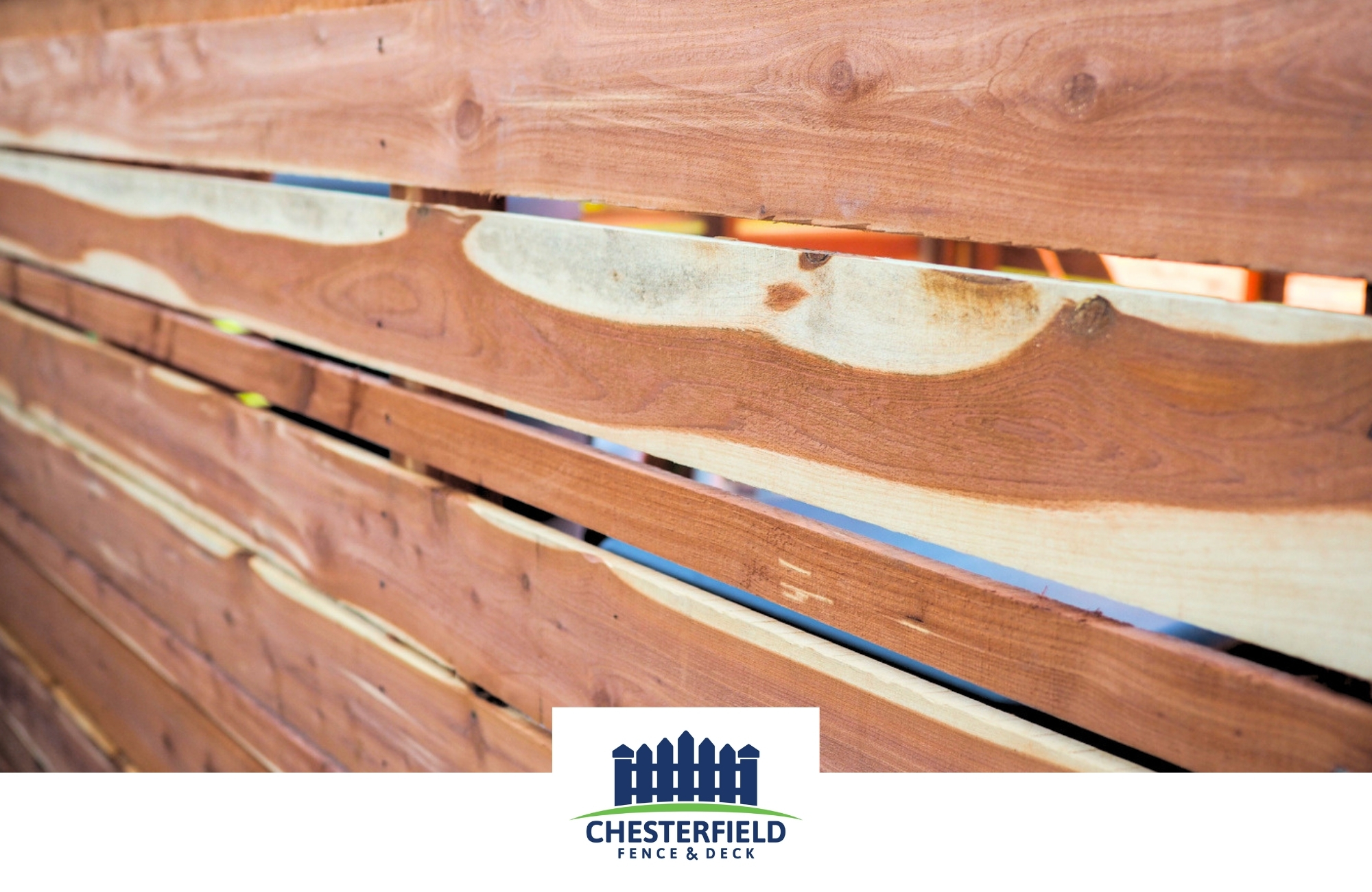
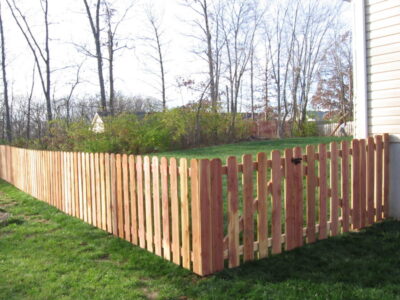
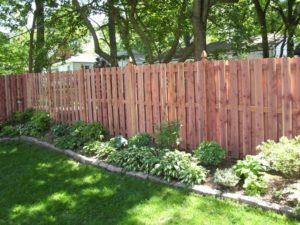
- Wood fencing – Wood is frequently selected for privacy and its natural appearance. Its versatility allows homeowners to create solid boundaries that blend well with landscaping and residential architecture.
- Vinyl fencing – This material offers a consistent look and requires minimal maintenance. Because it resists moisture and weather-related wear, vinyl is often chosen by homeowners who want a long-lasting boundary fence with minimal upkeep.
- Aluminum fencing – Aluminum is commonly used when homeowners want to define property lines while maintaining an open view. Its decorative design works well in front yard areas or locations where visibility is preferred.
- Chain link fencing – This option is often used for functional boundary fencing, particularly on larger properties. It provides reliable enclosure and durability while maintaining a practical approach to defining property lines.
Selecting the right material depends on the purpose of the fence, neighborhood considerations, and how the fence will interact with surrounding properties.
Professional Fence Installation in Missouri
If you are considering a boundary fence and want guidance before beginning your project, Chesterfield Fence & Deck offers experienced support throughout the planning and installation process. Our team installs wood, vinyl, aluminum, and chain link fencing for homeowners throughout St. Louis, St. Charles, and nearby Missouri communities.
From helping evaluate property layouts to installing durable fencing solutions, we focus on creating fences that enhance privacy, security, and long-term value. Reach out to Chesterfield Fence & Deck to learn more about fencing options designed to fit your property and your goals.
Share on social