Fence Height and Setback Rules
Installing a new fence is an excellent way to improve privacy, security, and property definition. However, before beginning a project, homeowners should understand fence height and setback rules that may apply in their area. Local municipalities across Missouri often regulate how tall a fence can be and how close it can be placed to property lines, streets, and neighboring structures.
These regulations are designed to maintain neighborhood safety, protect visibility near roadways, and create consistent property standards. Understanding these requirements during the planning stage can help homeowners avoid project delays and ensure their fence installation meets local guidelines.
Why Fence Height Limits Exist
Fence height limits are one of the most common regulations homeowners encounter when planning a fencing project. Local governments set these limits to balance privacy and property rights with safety and neighborhood appearance.
In many Missouri communities, backyard fences are typically allowed to be taller than those located in front yards. This distinction exists because taller fences can obstruct visibility if they are installed too close to streets, sidewalks, or intersections.
Front yard fences often have stricter height limits to maintain open sightlines for drivers and pedestrians. These rules also help preserve a consistent visual appearance throughout residential neighborhoods.
Because height requirements vary by municipality, homeowners should confirm the specific regulations that apply to their city before installation begins.
Understanding Fence Setback Requirements
Setback rules determine how far a fence must be placed from property lines, streets, sidewalks, or other structures. These regulations ensure fences do not interfere with public access areas, drainage systems, or utility easements.
In many cases, fences and gates may be installed directly along a property line, but some municipalities require them to be set slightly inside the property boundary. This small offset helps clarify ownership and reduces the chance of disputes between neighboring properties.
Setback requirements are also common near public spaces. For example, fences installed near sidewalks or streets may need additional distance to maintain visibility and prevent obstruction of pedestrian pathways.
Because these rules vary across Missouri municipalities, homeowners benefit from reviewing local codes before finalizing their fence layout.
How Fence Materials Fit Into Local Guidelines
While most municipalities allow a variety of residential fencing materials, local codes sometimes include guidelines that influence how those materials are used.
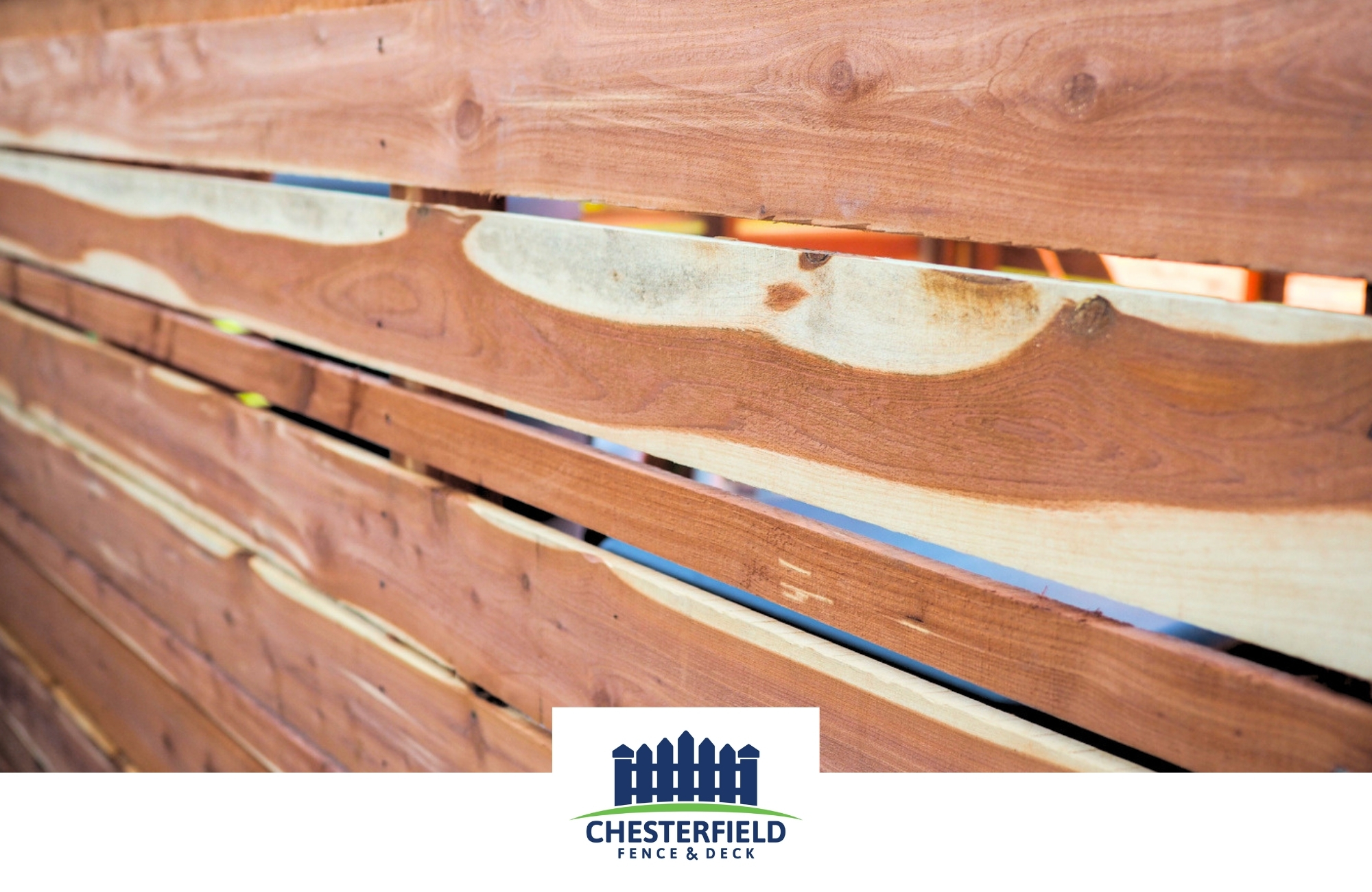
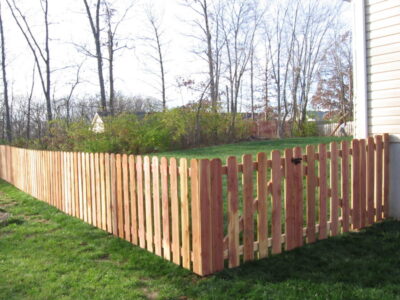
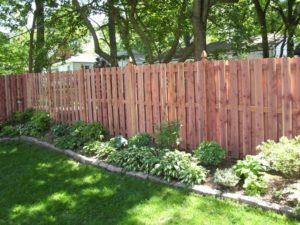
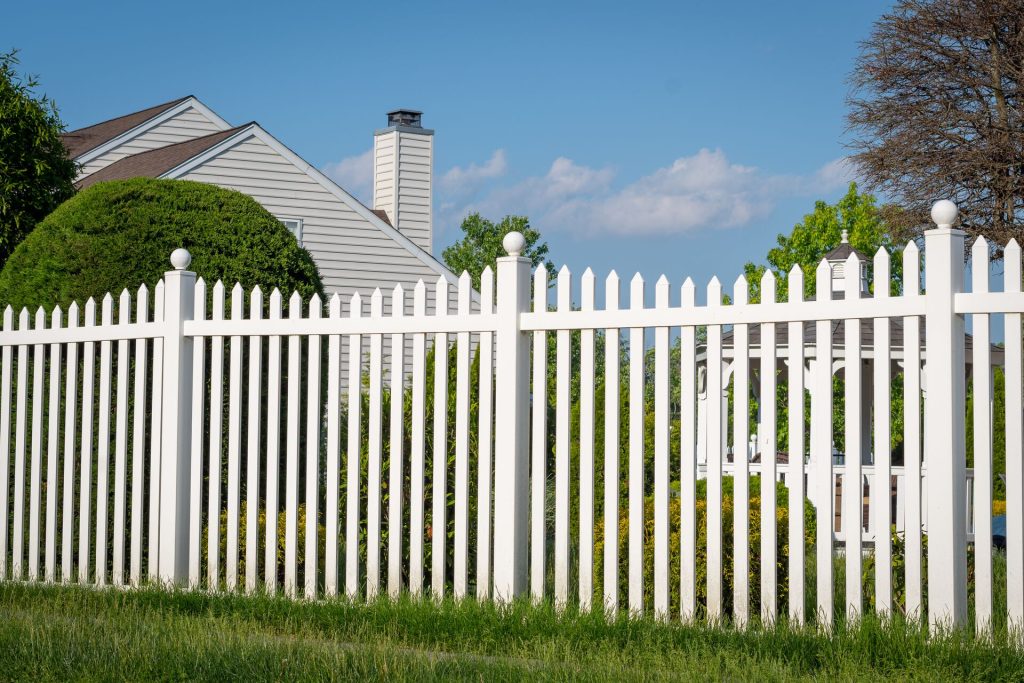
Wood fencing is often selected for privacy and natural appearance, especially in backyard settings where taller fences are permitted. Vinyl fencing provides a clean, consistent look and is commonly approved for residential areas because of its durability and low maintenance requirements.
Aluminum fencing is frequently used in areas where visibility is important, such as front yards or decorative boundary spaces. Its open design allows homeowners to define property lines while maintaining clear sightlines.
Chain link fencing is commonly used for practical applications such as pet containment or large property boundaries. Some municipalities regulate where chain link fences can be installed, particularly in front yard areas where appearance guidelines may apply.
Understanding how different materials fit within local height and setback rules helps homeowners make informed decisions before installation begins.
Planning Ahead for a Smooth Fence Installation
Fence height and setback rules may seem like small details, but they play an important role in how a fencing project is planned and approved. Taking time to review local regulations, confirm property boundaries, and design a fence layout that meets municipal guidelines can help homeowners avoid unnecessary changes during the project.
Working with experienced fencing professionals can simplify this process. Contractors familiar with local codes understand how height limits, setbacks, and property layouts affect installation planning, allowing homeowners to move forward with greater confidence.
Start Your Fence Project With Confidence
If you are considering a new fence and want guidance on planning around local regulations, Chesterfield Fence & Deck can help. Our team installs wood, vinyl, aluminum, and chain link fencing for homeowners throughout St. Louis, St. Charles, and nearby Missouri communities.
We focus on careful planning and quality installation so homeowners can move forward with fencing projects that meet local guidelines and enhance their property. Contact us to discuss your fencing goals and explore options designed for long-term performance.
Share on social