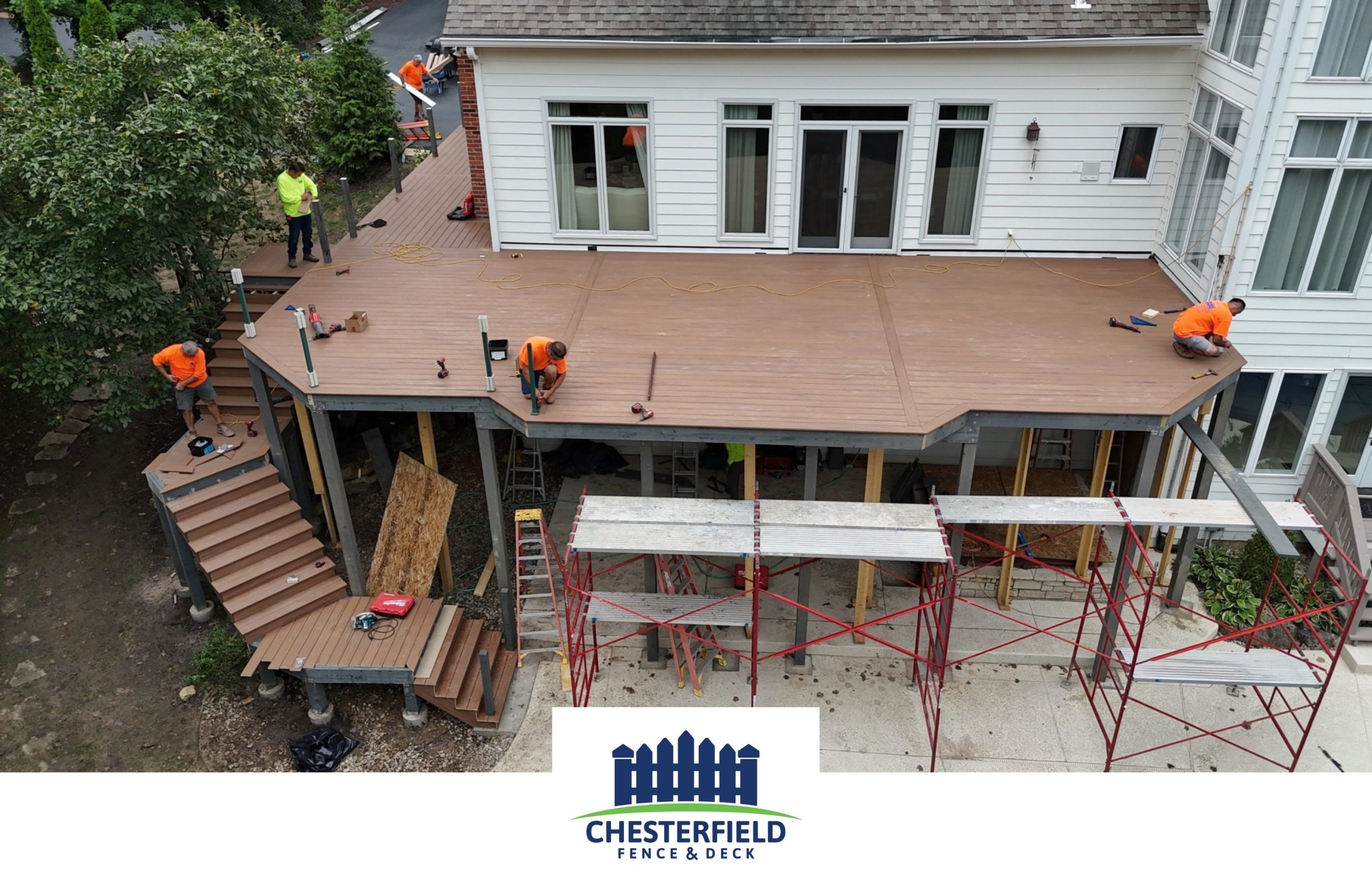

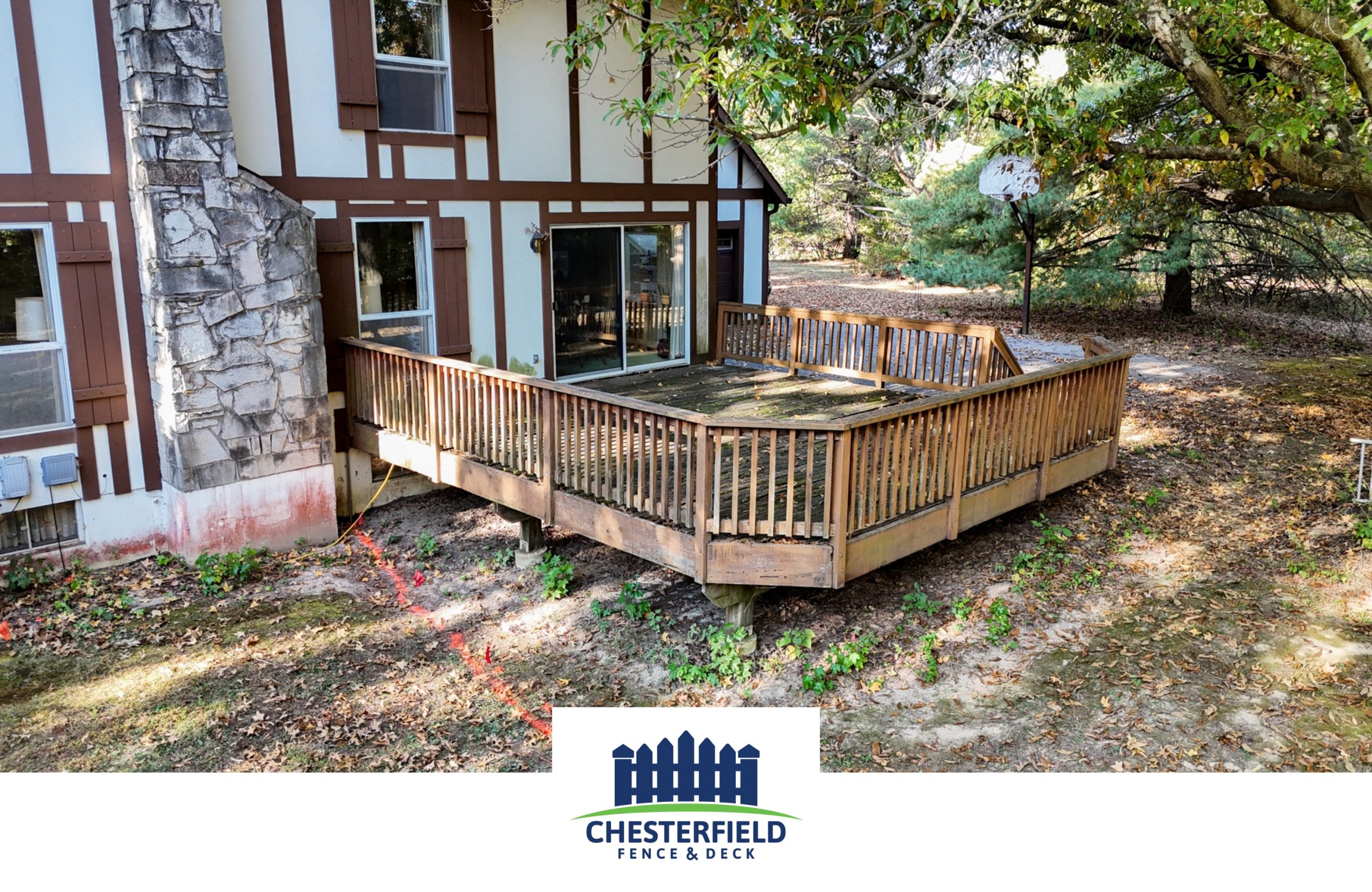
Deck resurfacing involves removing worn decking boards and installing new ones while retaining the existing frame. Depending on the project, railings may also be replaced. This option is suitable when the supporting structure is sound and can safely accommodate the new decking.
Structural repairs address damaged components such as joists, beams, posts, hardware, or ledger connections. If the damage is localized and the remaining structure is serviceable, repairs may allow you to retain the deck rather than rebuild it entirely.
Complete deck replacement involves dismantling the existing deck and constructing a new one. This may be necessary when deterioration is extensive, critical connections cannot be reliably restored, or the existing structure cannot be safely or practically retained.
The appropriate option depends on the condition of the entire deck, not just the appearance of its surface.
If the damage is limited to the decking boards, resurfacing may be a practical option. However, the existing frame must be structurally sound before new boards are installed.
Fading, Graying, and Stubborn Stains
Sunlight and weather gradually fade wood decking. If your boards look dull or stained but are still firm, new decking can restore the look without a full rebuild.
Splinters and Rough Patches
Splintering boards can cause injuries and make the deck uncomfortable to use. If the splintering is limited to the surface and the boards underneath are sound, new decking can solve it.
A Few Cracked or Warped Boards
Isolated damage can often be handled with repairs. When boards are failing across the entire deck, though, replacing all of them is usually more practical than patching one at a time.
You Want Less Maintenance
Switching from wood to a low-maintenance material like composite or vinyl decking provides a new surface with less routine maintenance.
The Existing Frame Is Suitable for Reuse
Resurfacing is an option when the joists, beams, posts, footings, and deck-to-house connections are in suitable condition. If any components are damaged, have them assessed to determine whether targeted repairs can make the structure suitable for reuse.
Damage to structural components requires assessment before you decide how to proceed. Depending on its extent and location, the problem may be resolved through targeted repairs or may indicate that complete replacement is the safer, more practical option.
Rot in the Joists, Beams, or Posts
Moisture can cause rot in the framing beneath the decking. Soft, crumbling, or significantly deteriorated wood warrants a professional assessment to establish how far the damage extends and whether the affected components can be repaired or replaced safely.
A Loose or Damaged Ledger Board
The ledger connects an attached deck to the house and helps transfer its loads. Separation, rot, or water damage around this connection can compromise stability. Avoid using the deck if the connection appears unstable, and arrange a qualified assessment to determine the necessary repairs or replacement.
Sagging, Bouncing, or Uneven Surfaces
Noticeable sagging, excessive movement, or uneven areas may indicate problems with the joists, beams, posts, or footings. A professional assessment can identify the cause and establish whether repairs are sufficient or a rebuild is warranted.
Rusted or Loose Hardware
Corroded bolts, brackets, nails, and joist hangers can weaken structural connections. The appropriate response depends on the severity of the corrosion and the condition of the surrounding wood. A qualified professional can determine whether replacing fasteners or repairing the connections will restore their integrity.
Wobbly Railings and Stairs
Loose railings or unstable stairs may result from worn fasteners, damaged mounting points, or deteriorated supporting components. Have the affected areas assessed and repaired before continued use if their stability is in question.
Shifting or Heaving Footings
Freeze-thaw cycles and soil movement can shift deck footings, causing posts to lean or the structure to become uneven. The underlying cause and extent of movement determine whether footing repairs, additional structural work, or replacement is necessary.
Walk around your deck and look for visible signs of wear or damage, including:
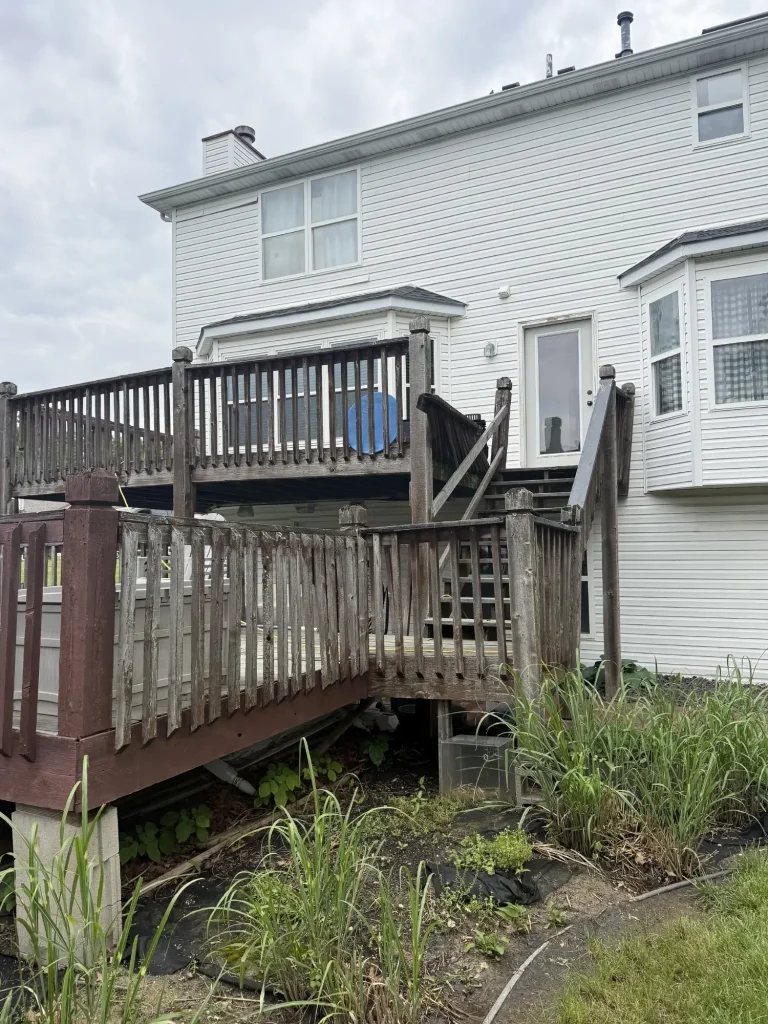
Some deck problems are difficult to assess through a visual check alone. If you notice unusual movement, deteriorated support components, or separation around the deck-to-house connection, have a qualified professional inspect the affected areas. They can identify underlying issues that may not be visible on the surface and recommend the necessary repairs to restore the deck’s safety and stability.
Whether you resurface or replace, it’s a good time to choose materials that fit how you want to live with your deck.
The right choice depends on your budget, style, and how much time you want to spend on upkeep.
If you suspect structural damage, consult a qualified deck professional before investing in new decking boards. Ask for an assessment that identifies the affected components, determines whether they can be repaired, and evaluates whether the remaining frame is suitable for reuse.
The findings should help establish whether resurfacing after necessary repairs is appropriate or whether complete replacement is the more practical option.
Check whether the damage is limited to the decking boards or extends to the supporting structure. If you notice significant movement, deteriorated supports, or loose connections, arrange a professional assessment before deciding on the work required.
The lifespan of a resurfaced deck depends on the decking material, installation quality, weather exposure, and maintenance. The condition of the retained frame also matters, as unresolved structural problems can affect the deck’s long-term performance.
Resurfacing generally costs less because it retains the existing frame. However, repair costs, the condition of the structure, material choices, and the extent of the work can affect the final price. A professional estimate can help you compare the options.
Look for widespread rot, sagging, unstable posts, shifting footings, loose connections, and other signs of structural deterioration.
Not until the underlying damage has been assessed and addressed. Covering structural rot without proper repairs can leave serious safety issues unresolved.
Choosing Chesterfield Fence & Deck for your outdoor living installation ensures you are working with a premier, locally trusted contractor that has served the St. Louis area for nearly 60 years. First and foremost, we specialize in installing premium outdoor living spaces using products that were engineered to withstand Missouri’s extreme weather climate.
Whether you’re looking to add a premium composite deck or durable cedar deck to your home, our team specializes in transforming standard outdoor living spaces into high-end, functional retreats.
Furthermore, our expert installation crews are fully versed in local St. Louis building codes. We provide a seamless, stress-free construction experience from concept to completion.
Our long-standing reputation is backed by an A+ Better Business Bureau (BBB) rating and thousands of satisfied local homeowners. Therefore, investing in a Chesterfield Fence & Deck outdoor project ensures maximum efficiency, code-compliant structural safety, and an immediate boost to your St. Louis property’s resale value.
Give us a call and speak to our installation experts or visit our 25,000-square-foot showroom:
Visit: 620 Spirit Valley East Dr.
Chesterfield, MO 63005
Call: (636) 532-4054

Chesterfield Fence & Deck is an expert fence, deck, and outdoor living space installation company. With nearly 60 years of experience, you can ensure we are committed to quality and high standards of craftsmanship and customer service. Our office and showroom are located in Chesterfield, Missouri, where we are honored to serve homeowners in the St Louis, metro, and surrounding areas.