Fence Repairs Every Homeowner Should Understand Before Problems Get Expensive
A fence rarely fails overnight.
Most problems begin quietly — a small lean in one section, a gate that doesn’t close quite right, a board that starts to warp after a season of rain and heat.
At first, it looks cosmetic.
But fences function as structural systems. When one component begins to fail, stress shifts to the surrounding posts, rails, and panels.
Left unaddressed, small issues turn into large repairs.
Understanding what early warning signs look like helps homeowners fix problems before they become full fence replacements.
Let’s walk through the most common issues of Fence Repairs in St. Louis.
Recognizing the Early Warning Signs
Many homeowners don’t notice fence problems until something obvious happens — like a panel collapsing during a storm.
But fences usually show subtle signals first.
Look for:
Sections that lean slightly forward or backward
Gates that drag across the ground
Posts that wobble when pushed
Loose boards or pickets
Rusting hinges or latches
Gaps forming near the ground line
These small shifts usually indicate structural movement below the surface. Missouri’s weather — especially freeze-thaw cycles and heavy rain — often causes soil expansion and contraction. Over time, that movement weakens the stability of fence posts. A professional fence repair service in St Louis can quickly determine whether the issue is surface-level or structural.
Leaning Fence Sections
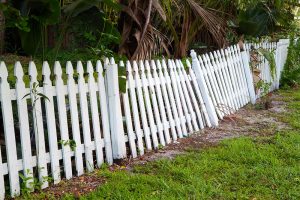
A leaning fence is one of the most common repair calls homeowners make. But the lean itself is rarely the real problem.The issue usually begins with the post foundation.
Possible causes include:
Post rot where wood meets soil
Concrete footings shifting underground
Soil erosion after heavy rainfall
Wind pressure stressing fence panels
Once a single post weakens, the entire fence line begins to compensate for that instability. If caught early, resetting or reinforcing the post can restore structural alignment. But if multiple posts show movement, the repair becomes more extensive. That’s why inspections matter before the lean spreads across the entire fence line.
Broken or Warped Fence Boards
Wood fencing naturally expands and contracts with temperature and moisture changes.
Over time, this movement can cause boards to:
Split
Warp
Cup outward
Detach from rails
When only a few boards are affected, replacement is usually simple.
However, widespread warping may indicate prolonged moisture exposure or aging materials.
In those situations, homeowners often begin considering whether repairing sections repeatedly is worth it — or if upgrading the fence material might provide longer-term reliability.
Sagging Gates and Hardware Failure
If your gate doesn’t close properly, the issue usually isn’t the latch.
It’s the alignment.
Gates place far more stress on fence posts than standard panels. They swing open and closed dozens of times per week. Dogs jump on them. Children push them. Wind catches them.
Over time, this repeated movement loosens hinges and shifts the gate frame.
Common symptoms include:
- A gate that scrapes the ground
- Latch misalignment
- Visible sag on the latch side
- Hinges pulling away from the post
Reinforcing the gate frame and tightening hardware can solve many of these problems early.
But if the gate post itself has shifted, the repair may require resetting the post entirely.
Post Rot and Ground-Level Damage
One of the most damaging problems a fence can face occurs below eye level. Wood posts that contact soil remain exposed to constant moisture. Over time, this environment allows decay to develop at the base of the post. Homeowners often miss this because the visible portion of the fence still looks intact.
But if the base softens, the entire structure above becomes unstable.
Signs of post deterioration include:
- Posts that wobble when pushed
- Dark staining near ground level
- Wood that feels soft when pressed
- Fence sections that lean after rainstorms
Once post rot begins, repairs must address the structural support — not just the visible fence panels.
When Repair Stops Being the Smart Option
Fence repair works best when damage is isolated. But if problems appear across large portions of the fence, repairs can become repetitive and costly.
A general guideline many contractors use: If more than 25–30 percent of a fence is compromised, replacement may provide better long-term value than continuous repair.
This is particularly true when:
- Multiple posts show structural damage
- The fence is over 15 years old
- Weather exposure has weakened large sections
- Gate structures have shifted repeatedly
A professional St Louis fence company can inspect the fence line and provide an honest recommendation based on structural condition rather than appearance alone.
Environmental Factors That Accelerate Fence Damage
Fencing systems endure constant environmental stress.
In the St. Louis region, the most common contributors to structural wear include:
- Seasonal freeze-thaw cycles
- Heavy spring rainfall
- High humidity levels
- Soil expansion and contraction
- Wind pressure across long fence runs
Each of these factors gradually affects posts, rails, and hardware.
That’s why professional installation methods — including proper post depth and drainage considerations — play such an important role in long-term durability.
Common Fence Repair Mistakes Homeowners Make
Some of the most frequent include:
- Replacing panels without checking post stability
- Installing new boards on weakened rails
- Ignoring soil erosion around fence posts
- Using undersized hardware for gate repairs
- Treating structural issues as cosmetic fixes
Proper fence repair focuses on the structure first — appearance second.
Planning for Long-Term Fence Performance
Fences serve an important purpose beyond property boundaries. They protect pets, create privacy, define outdoor spaces, and provide safety for children.
When a fence begins showing signs of stress, addressing the issue early protects that function.
A thorough evaluation by an experienced fence repair service in St Louis helps determine whether the solution is:
- A minor repair
- A structural reinforcement
- Partial section replacement
- Or a full upgrade.
Repair Your Fence For Better Longevity
The takeaway is simple: Fence problems rarely begin with dramatic failure. They start quietly — a loose post, a sagging gate, a board that begins to split.
But those early signals are opportunities. When repairs are handled early and correctly, a fence can continue performing for many years. And when a replacement truly becomes necessary, planning it strategically ensures your next fence is stronger, more durable, and better suited to your property.
Because a fence shouldn’t just mark the edge of your yard. It should protect everything inside it.
If you want that level of protection, working with an experienced St. Louis repair company ensures your fence is repaired for real-world use, not just appearance.
Reach out to Chesterfield Fence & Deck by booking your repair consultation to start creating a safe fence system for your home. We’re looking forward to supporting you on this journey!
Share on social