What makes a St. Louis garden feel truly alive? It’s the colorful flowers blooming throughout the seasons, veggies producing great yield, vines adding layers of greenery, butterflies bringing life, and open lawns becoming a recreational space for pets and children. Together, these elements create vibrant outdoor spaces in St. Louis.
However, it is also possible for a vibrant garden to look incomplete. Without clearly defined boundaries and protection, landscapes can lose their appeal and feel less organized. This is the reason why decorative garden fences are gaining popularity among St. Louis homeowners, as they create a more polished outdoor setting while also adding a layer of protection.
There are many decorative fence options that make landscapes more visually appealing, but before choosing one, it is crucial for a homeowner to understand their pros and cons.
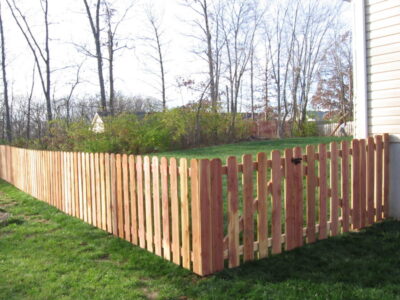
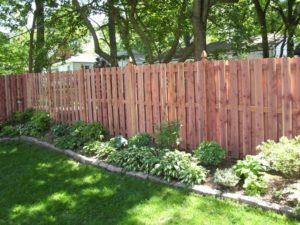
Decorative fences are known for creating lasting impressions. Pairing them with a well-maintained garden instantly enhances your property’s overall appearance, adding character and sophistication. By defining clear exit and entry points, they also make the outdoor areas more organized.
In St. Louis, HOA or neighborhood rules can limit fence type, height, and placement, restricting your design choices. For instance, backyard fences are usually allowed to 6 feet tall, while front-yard fences can be around 4 feet tall. Wire-type fences usually face some additional restrictions if you are installing them in front yards.
While installing fences, it is also important to make sure that they don’t interfere with neighborhood property lines. We advise homeowners to understand the HOA fence rules that apply in western county neighborhoods before starting any installations.
Poor installation can sometimes happen in the case of DIY projects or while hiring less experienced fence installers. Missouri’s heavy clay soil, along with uneven ground levels and hidden utility lines, can make it difficult to install fences and keep panels level. If this isn’t handled properly, then fences may start leaning or develop gaps underneath, leading to costly repairs and additional expenses.
Trellis fences are often made from wood or aluminum and feature lattice-style slats that support climbing plants, while adding a layer of privacy to outdoor spaces. The only drawback is, wooden fence types may require upkeep once in a while.
It is true that you must find the right balance between your privacy needs and aesthetic preferences while looking for decorative fences for our garden. However, it is also crucial to select the appropriate materials that can handle Missouri’s changing weather with minimal maintenance. Different fencing materials offer unique advantages depending on the level of upkeep, durability, and appearance homeowners prefer.
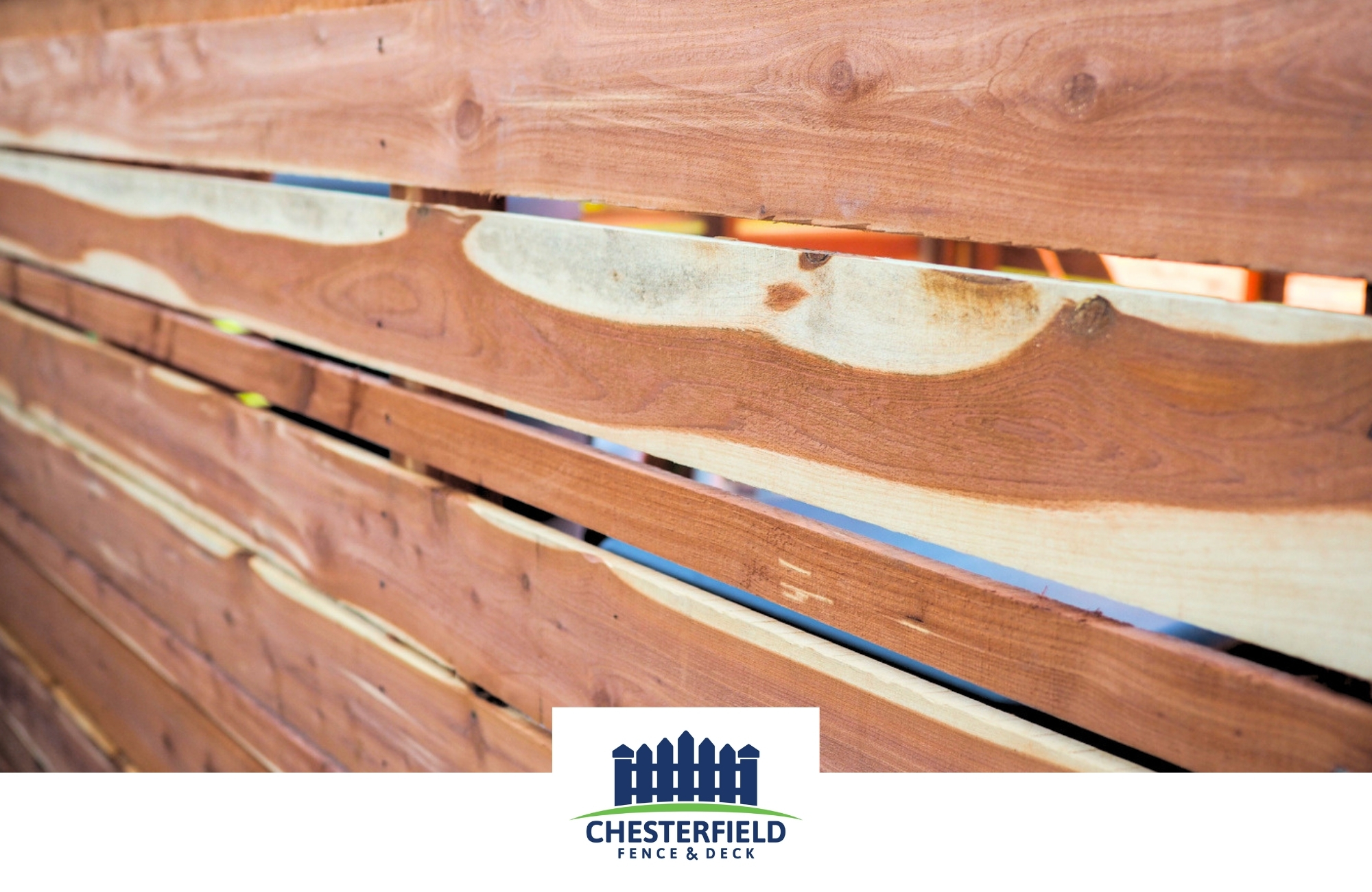
Chesterfield Fence & Deck provides a variety of fencing materials to help St. Louis homeowners choose the right fit for their garden and maintenance preferences. Our red cedar wood fences withstand weather-related damages while also offering a natural and traditional appearance for garden spaces. Meanwhile, our vinyl and aluminum fences are fade-resistant, durable and last long with minimal upkeep.
A decorative fence can be a great addition to your garden if you are looking to enhance curb appeal with some privacy and security. However, if you are looking for more protection with less upkeep and fewer local limitations, then decorative fences may not be a great fit. Still, you can find ways to customize them to meet all your needs.
If you’re planning to install a decorative fence around your garden, working with experienced professionals can actually help you navigate material selection, local permit requirements, and potential installation issues. Chesterfield Fence & Deck has been serving homeowners in St. Louis with fence installations, offering a wide range of decorative fence options that can be customized to match different garden styles and privacy needs.
To learn more, visit our showroom in Chesterfield to view full fence displays in person, or schedule a free consultation to find the right fencing solution for your garden.
Pros: They instantly boost your home’s curb appeal, establish clear property boundaries, and keep out small pets or pests that damage gardens.
Cons: They require ongoing maintenance (depending on the material), must comply with local HOA restrictions, and can be costly to install.
Aluminum fencing is the overall best choice. It offers a classic look similar to wrought iron, doesn’t rust in harsh weather, and its slim pickets protect the garden without blocking the sunlight your plants and flowers need to grow.
Yes. Because they significantly improve your home’s curb appeal and landscape design, a well-installed decorative fence can increase your property value and make your home more attractive to future buyers.
St. Louis Homeowners Associations (HOAs) frequently regulate the height, material, color, and placement of front and backyard fences. Before buying materials or hiring an installer, you must submit your design plans to your HOA board for written approval to avoid fines or forced removal.
Not necessarily. Many decorative styles have open designs or wide gaps between pickets. While they let in great sunlight, they won’t block the view of your neighbors or stop animals like deer from entering your garden. For privacy, you need a solid, tightly spaced fence design.
Give us a call and speak to our installation experts or visit our 25,000-square-foot showroom:
Visit: 620 Spirit Valley East Dr.
Chesterfield, MO 63005
Call: (636) 532-4054
Chesterfield Fence & Deck is an expert fence, deck, and outdoor living space installation company. With nearly 60 years of experience, you can ensure we are committed to quality and high standards of craftsmanship and customer service. Our office and showroom are located in Chesterfield, Missouri, where we are honored to serve homeowners in the St Louis, metro, and surrounding areas.