HOA Fence Rules Homeowners Should Know
For homeowners living in communities governed by a homeowners association, installing a new fence often involves more than simply choosing a style and scheduling installation. HOA fence rules are designed to maintain a consistent neighborhood appearance while ensuring fences meet community standards for durability, safety, and placement.
Understanding these guidelines before starting a project can help homeowners avoid delays, rejected applications, or unexpected changes during installation. While every HOA operates a little differently, there are several common rules homeowners in Missouri communities should be aware of when planning a fence.
Why HOA Fence Rules Exist
Homeowners associations establish fence guidelines to create visual consistency throughout the neighborhood. By setting standards for materials, colors, heights, and layout, HOAs help maintain a cohesive look across properties.
Without these rules, neighborhoods could quickly become visually inconsistent, with fences varying dramatically in height, style, and condition. HOA guidelines help protect property values by ensuring that improvements like fencing contribute positively to the overall appearance of the community.
For homeowners, understanding these rules early in the planning process makes it easier to select a fence that meets both functional needs and community expectations.
HOA Approval Is Often Required Before Fence Istallation
One of the most important HOA fence rules homeowners should know is that approval is often required before construction begins. Most associations require homeowners to submit an application that includes details about the proposed fence.
This submission typically includes information such as the fence material, height, gates, location on the property, and a basic layout showing where the fence will be installed. Some HOAs may also ask for product details or photos to ensure the style matches community guidelines.
Receiving approval before installation helps prevent situations where a completed fence must be modified or removed due to non-compliance with HOA standards.
Fencing Materials Commonly Approved in HOA Communities
While each association has its own rules, several fencing materials are commonly approved because they provide durability and a consistent appearance across properties.
Vinyl fencing is frequently accepted in HOA communities because of its clean, uniform look and low-maintenance performance. Vinyl panels are manufactured to consistent specifications, which helps maintain visual uniformity throughout a neighborhood.
Aluminum fencing is another popular option, particularly in front yards or areas where homeowners want to preserve visibility while still defining property boundaries. Its decorative appearance and long-term durability align well with many HOA design standards.
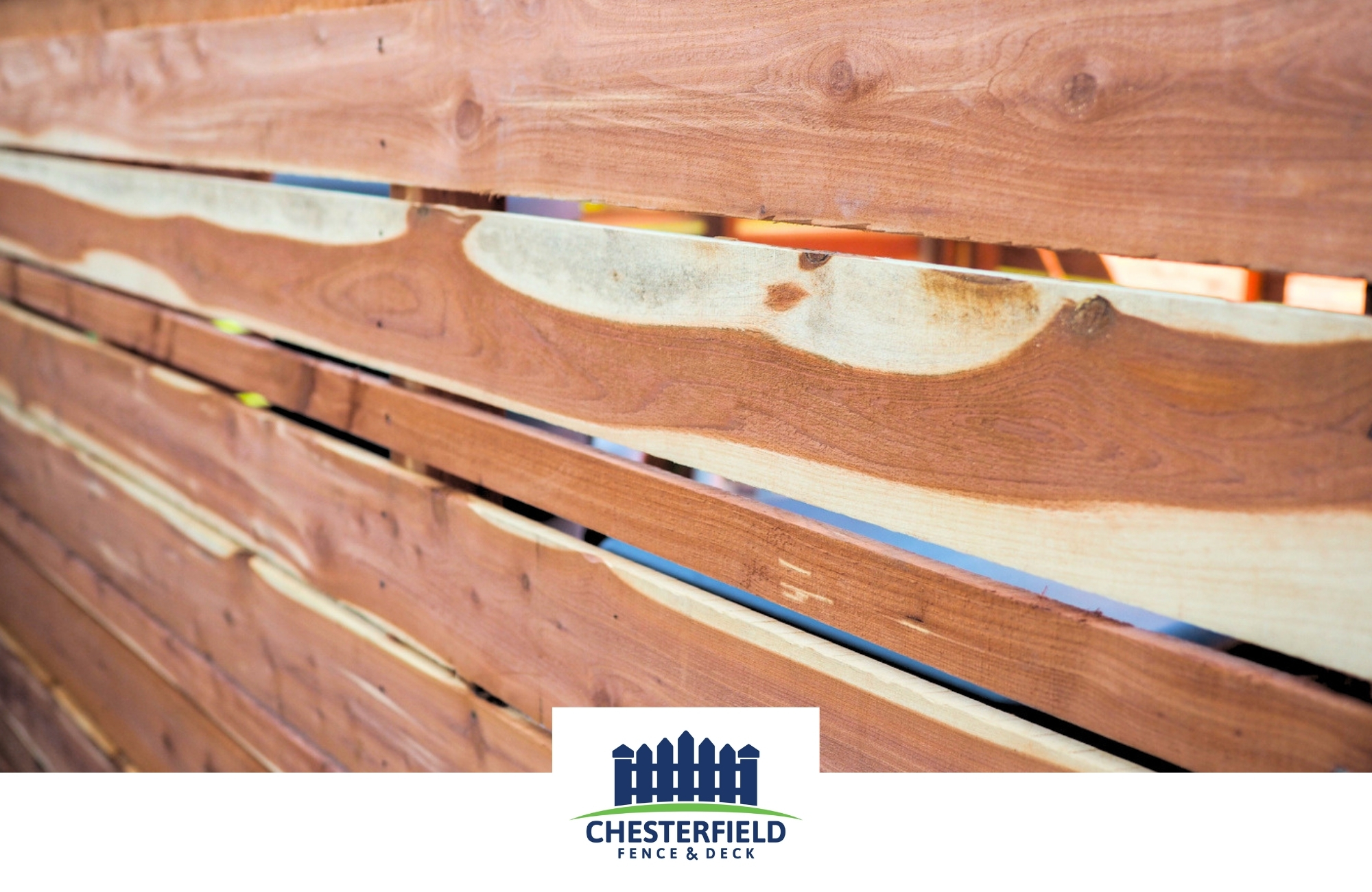
Wood fencing may also be allowed, though some associations regulate specific styles, board layouts, or stain colors. Wood offers a traditional look that blends well with landscaping, but HOAs may require ongoing maintenance to preserve its appearance.
Chain link fencing is typically more restricted in HOA communities, though it may be permitted in backyards or areas that are less visible from the street. In some cases, associations require coated or vinyl-covered chain link to soften its appearance.
Fence Height and Placement Guidelines
Fence height is another area where HOA rules frequently apply. Many associations allow taller fences in backyards while limiting the height of fences installed in front yards or along street-facing property lines.
Placement guidelines are also common. HOAs often require fences to be installed along property lines, set back slightly within the property, or positioned in a way that does not obstruct sidewalks, driveways, or neighborhood sightlines.
Corner properties sometimes face additional requirements because fences near intersections can affect visibility for drivers and pedestrians. Reviewing these placement rules in advance helps homeowners plan their fence layout accurately.
Avoiding Delays During the Approval Process
Homeowners can often streamline the HOA approval process by gathering the right information before submitting an application. Providing clear details about the fence design, materials, and layout helps HOA review boards evaluate requests more quickly.
Working with a professional fencing contractor can also help ensure proposals meet common HOA requirements. Experienced installers understand the types of fences that are frequently approved and can assist homeowners in selecting options that align with neighborhood guidelines.
Taking this proactive approach helps minimize back-and-forth communication and keeps projects moving forward smoothly.
Fence Installation for HOA Communities in Missouri
If you live in an HOA community and are planning a fence installation, Chesterfield Fence & Deck can help guide you through the process. We install aluminum, vinyl, wood, and chain link fencing for homeowners throughout St. Louis, St. Charles, and surrounding Missouri communities.
Our team understands the importance of HOA compliance and works with homeowners to choose fencing solutions that meet neighborhood guidelines while enhancing privacy, security, and curb appeal.
Contact Chesterfield Fence & Deck today to schedule a consultation and explore fencing options designed to fit your property and your community’s standards.
Share on social